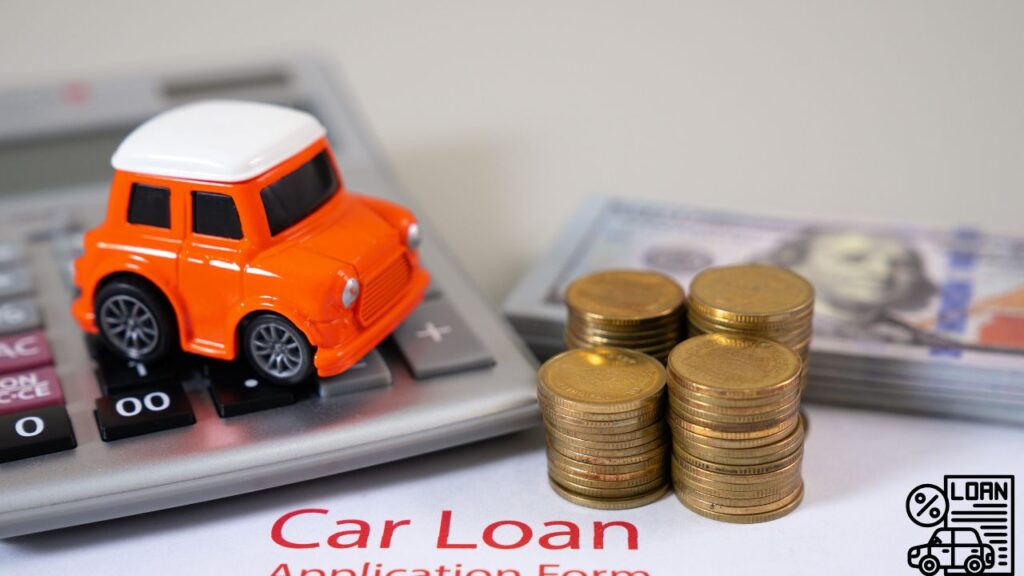
Car Loan: Getting a car loan in India has become easier than ever before. Whether you are eyeing a budget hatchback or a premium SUV, banks and NBFCs today offer flexible car loan options that fit almost every income group. Moreover, with interest rates starting as low as 8.75% per annum and repayment tenures stretching up to 7 years, owning your dream car is no longer just a dream. In this complete guide, we cover everything you need to know about car loans in India, including interest rates, eligibility, EMI calculation, required documents, and top lenders. So, let us get started.
Contents
- 1 What is a Car Loan and How Does It Work in India
- 2 Car Loan Interest Rates in India 2026
- 3 Car Loan Eligibility Criteria in India
- 4 Documents Required for Car Loan in India
- 5 How to Calculate Car Loan EMI in India
- 6 New Car Loan vs Used Car Loan in India
- 7 Top Tips to Get the Best Car Loan Deal in India
- 8 How to Apply for a Car Loan in India
- 9 Car Loan Charges You Must Know About
- 10 Final Thoughts on Car Loans in India
- 11 FAQs
What is a Car Loan and How Does It Work in India
A car loan is a secured loan that banks, NBFCs, and financial institutions offer to help you buy a new or used car. In simple terms, the lender pays for the car on your behalf, and you repay the amount in monthly instalments over a fixed period. Additionally, since the car itself acts as collateral, lenders generally offer lower interest rates compared to personal loans. Most Indian lenders finance up to 80% to 100% of the car’s on-road price, depending on your credit profile and income level. Therefore, you only need to arrange the down payment, and the rest is covered by the loan.
Car Loan Interest Rates in India 2026
Interest rates play the most important role when choosing a car loan. Moreover, even a small difference in the rate can significantly impact your total repayment amount. Here is a quick look at the current car loan interest rates offered by top Indian banks and lenders in 2026.
| Lender | Interest Rate (Per Annum) | Loan Tenure |
|---|---|---|
| State Bank of India (SBI) | 8.65% onwards | Up to 7 years |
| HDFC Bank | 8.50% onwards | Up to 7 years |
| ICICI Bank | 8.60% onwards | Up to 7 years |
| Axis Bank | 9.25% onwards | Up to 7 years |
| Bank of Baroda | 8.50% onwards | Up to 7 years |
| Kotak Mahindra Bank | 8.99% onwards | Up to 5 years |
| Union Bank of India | 8.70% onwards | Up to 7 years |
However, keep in mind that these rates are indicative and can vary based on your credit score, income, loan amount, and the car model you choose. Consequently, always compare multiple lenders before finalising your car loan.
Car Loan Eligibility Criteria in India
Before applying for a car loan, you must check whether you meet the basic eligibility requirements. Furthermore, fulfilling these criteria increases your chances of quick loan approval at a better interest rate. Here are the standard eligibility conditions most Indian lenders follow.
| Parameter | Salaried Applicants | Self-Employed Applicants |
|---|---|---|
| Age | 21 to 60 years | 21 to 65 years |
| Minimum Income | Rs 15,000 to Rs 25,000 per month | Rs 2 lakh per annum (net profit) |
| Work Experience | Minimum 1 year | Minimum 2 years in business |
| Credit Score | 700 and above (preferred) | 700 and above (preferred) |
| Employment Type | Government, PSU, or Private Company | Business owner or Professional |
Additionally, a higher credit score not only improves your approval chances but also helps you negotiate a lower interest rate with the lender. Therefore, always check your CIBIL score before applying.
Documents Required for Car Loan in India
Keeping your documents ready in advance makes the car loan process much smoother and faster. Meanwhile, most lenders today also accept digital copies through their online portals. Here is the standard list of documents you will need.
For Salaried Individuals:
| Document Type | Details |
|---|---|
| Identity Proof | Aadhaar Card, PAN Card, Passport, Voter ID |
| Address Proof | Aadhaar Card, Utility Bill, Rent Agreement |
| Income Proof | Last 3 months salary slips, Form 16 |
| Bank Statement | Last 6 months bank statement |
| Photographs | Recent passport-size photographs |
For Self-Employed Individuals:
| Document Type | Details |
|---|---|
| Identity Proof | Aadhaar Card, PAN Card, Passport |
| Address Proof | Aadhaar Card, Utility Bill, Business Address Proof |
| Income Proof | Last 2 years ITR with computation |
| Business Proof | GST Registration, Business License |
| Bank Statement | Last 12 months bank statement |
How to Calculate Car Loan EMI in India

Understanding your EMI before applying is absolutely essential. In addition, it helps you plan your monthly budget without any financial stress. The EMI depends on three key factors, which are the loan amount, interest rate, and loan tenure. Here is a simple EMI comparison table to give you a clear idea.
| Loan Amount | Interest Rate | Tenure | Monthly EMI (Approx) |
|---|---|---|---|
| Rs 5 Lakh | 9.00% | 5 years | Rs 10,378 |
| Rs 8 Lakh | 9.00% | 5 years | Rs 16,605 |
| Rs 10 Lakh | 9.00% | 7 years | Rs 15,969 |
| Rs 15 Lakh | 8.75% | 7 years | Rs 23,591 |
| Rs 20 Lakh | 8.85% | 7 years | Rs 31,684 |
Consequently, a longer tenure reduces your monthly EMI but increases the total interest you pay over time. Therefore, choose a tenure that balances comfort and cost-efficiency.
New Car Loan vs Used Car Loan in India
Many buyers in India also consider used car loans as a smart alternative. However, there are some key differences between new and used car loans that you must understand before deciding.
| Feature | New Car Loan | Used Car Loan |
|---|---|---|
| Interest Rate | 8.75% to 12% per annum | 12% to 18% per annum |
| Loan to Value Ratio | Up to 100% on-road price | Up to 80% of car value |
| Tenure | Up to 7 years | Up to 5 years |
| Processing Fee | 0.5% to 1% of loan amount | 1% to 2% of loan amount |
| Approval Speed | Fast (often same day) | Slightly slower |
On the other hand, used car loans help you own a reliable vehicle at a fraction of the cost. Moreover, many banks now offer pre-approved used car loan deals through certified pre-owned car programs of brands like Maruti True Value and Hyundai H-Promise.

Top Tips to Get the Best Car Loan Deal in India
Getting a car loan is easy, but getting the best deal requires a little smart planning. Here are some practical tips that will help you save money and avoid common mistakes.
1. Maintain a Good CIBIL Score: Always keep your credit score above 750. Furthermore, pay all existing EMIs and credit card bills on time to build a strong credit profile.
2. Compare Multiple Lenders: Never settle for the first offer you receive. Instead, compare interest rates, processing fees, and prepayment charges across at least 3 to 5 lenders before deciding.
3. Negotiate the Interest Rate: Most people do not realise that car loan interest rates are often negotiable. Therefore, if you have a high credit score and stable income, always ask the lender for a better rate.
4. Choose the Right Tenure: Additionally, opt for the shortest tenure you can comfortably afford. In doing so, you will pay significantly less interest over the loan period.
5. Read the Fine Print: Before signing any loan agreement, carefully check for hidden charges such as prepayment penalties, foreclosure fees, and late payment charges. Consequently, this will save you from unexpected costs later.
6. Make a Larger Down Payment: Moreover, paying a higher down payment reduces your loan amount, which directly lowers your EMI and total interest outgo.
How to Apply for a Car Loan in India

Applying for a car loan in India is now a straightforward process. Furthermore, most banks offer both online and offline application options for your convenience. Here is a simple step-by-step process to follow.
Step 1: First, check your eligibility and CIBIL score before starting the application process.
Step 2: Next, compare car loan offers from multiple banks and NBFCs using online comparison tools.
Step 3: Then, visit the lender’s website or branch and fill in the car loan application form with accurate details.
Step 4: After that, submit all required documents either online or at the nearest branch.
Step 5: Meanwhile, the lender will verify your documents and assess your creditworthiness.

Step 6: Finally, once approved, the loan amount gets directly disbursed to the car dealer, and you drive home your new car.
Car Loan Charges You Must Know About
Besides the interest rate, several other charges apply to car loans in India. Therefore, being aware of these fees helps you calculate the true cost of borrowing.
| Charge Type | Typical Amount |
|---|---|
| Processing Fee | 0.5% to 2% of loan amount |
| Prepayment Charges | 2% to 6% of outstanding amount |
| Foreclosure Charges | Nil to 6% (varies by lender) |
| Late Payment Penalty | 2% to 4% per month on overdue EMI |
| Documentation Charges | Rs 500 to Rs 2,000 |
Final Thoughts on Car Loans in India
A car loan is one of the most accessible financial products in India today. Moreover, with the right planning, a decent credit score, and a smart lender comparison, you can drive home your dream car without burning a hole in your pocket. Additionally, always read the loan agreement carefully and understand every charge before signing. In conclusion, a well-planned car loan not only makes car ownership affordable but also helps you build a stronger credit history for future financial goals.
FAQs
What is the minimum CIBIL score required for a car loan in India?
Most lenders in India prefer a CIBIL score of 700 and above for car loan approval. However, a score of 750 or higher gives you the best chance of getting a lower interest rate and faster approval.
What is the maximum car loan tenure available in India?
Most Indian banks and NBFCs offer a maximum car loan tenure of 7 years (84 months) for new cars. However, used car loans generally come with a shorter maximum tenure of 5 years.
Can I get a 100% car loan in India without a down payment?
Yes, some banks and NBFCs in India do offer up to 100% financing on the on-road price of a new car. However, this is usually available only for applicants with an excellent credit score and a strong repayment history.
Which bank offers the lowest car loan interest rate in India in 2026?
As of 2026, Union Bank of India and State Bank of India offer some of the lowest car loan interest rates starting from around 8.65% to 8.75% per annum. However, the final rate depends on your credit profile and income.
Can a self-employed person get a car loan in India?
Yes, self-employed individuals can absolutely get a car loan in India. They need to provide their last 2 years of ITR, bank statements, and business proof. Additionally, a good credit score and stable business income significantly improve their approval chances.
SEE ALSO: Top 4 Best Indian Bikes in 2026: Bullet 650, NS400Z, Splendor Plus & Apache RTR 310 Review
Stay tuned to AutoRadar for the latest news and updates like this – we bring you automobile news every day.
Disclaimer: This article is for informational purposes only, and readers should consult a financial advisor.