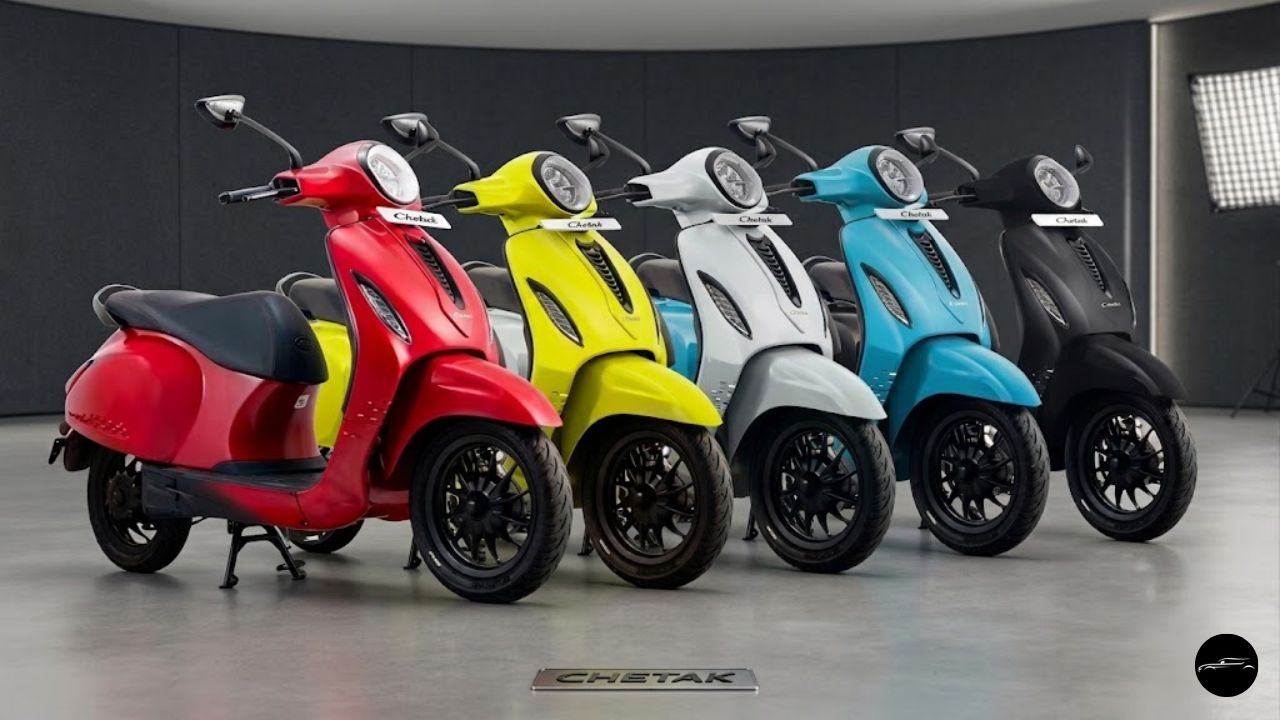
Bajaj Auto is at a crossroads, and the entire Indian EV industry is watching closely. The company is seriously considering shifting Bajaj Chetak electric scooter production out of Maharashtra due to pending subsidies worth ₹75 crore and glaring policy inconsistencies. Moreover, Rajiv Bajaj has openly called the Maharashtra EV policy a “massive failure,” which has sent shockwaves across the automotive sector. With ₹750 crore already invested in Pune’s EV ecosystem, this potential move is not just a business decision but a strong political statement. Meanwhile, states like Karnataka and Tamil Nadu are actively rolling out the welcome mat for Bajaj’s next big investment.
Contents
Why Bajaj Auto Is Considering Leaving Maharashtra
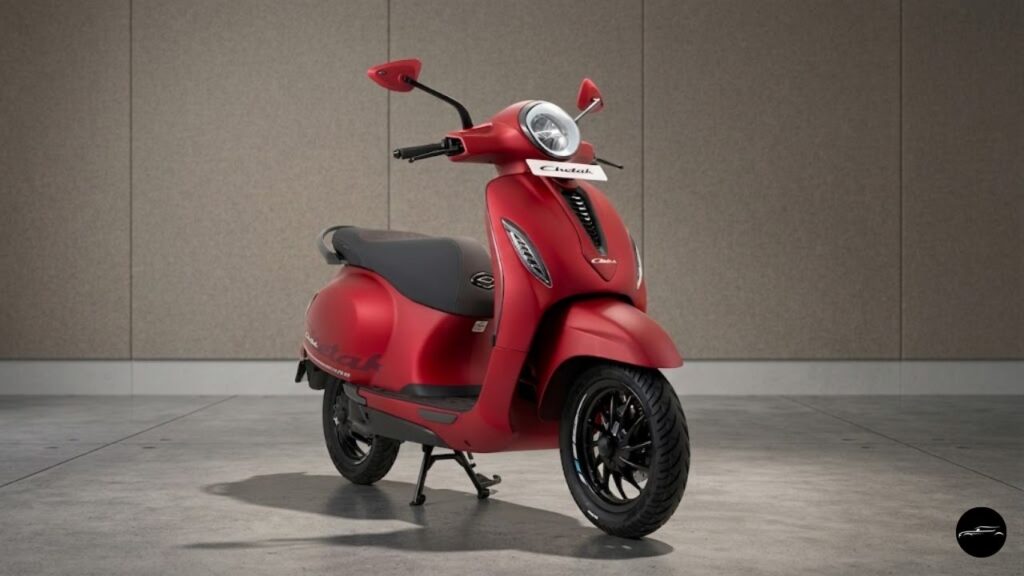
The root cause of this entire situation is simple: money owed and promises broken. Maharashtra has not yet released subsidies worth ₹75 crore to Bajaj Auto, and that delay has seriously damaged trust. Additionally, the state’s EV policy has been inconsistent, making long-term planning extremely difficult for manufacturers. On top of that, a new government rule restricting auto-rickshaw permits has added another layer of frustration for the company. Therefore, Bajaj Auto is now actively exploring options beyond Maharashtra, which is a significant red flag for the state’s industrial credibility.
Furthermore, MD Rajiv Bajaj did not mince words when he publicly described Maharashtra’s EV policy as a “massive failure.” His statement was direct, sharp, and clearly backed by real financial grievances. Consequently, what started as a policy dispute has now turned into a full-blown investment crisis for one of India’s most industrially important states.
Bajaj Chetak Production Shift: Where Will It Go?
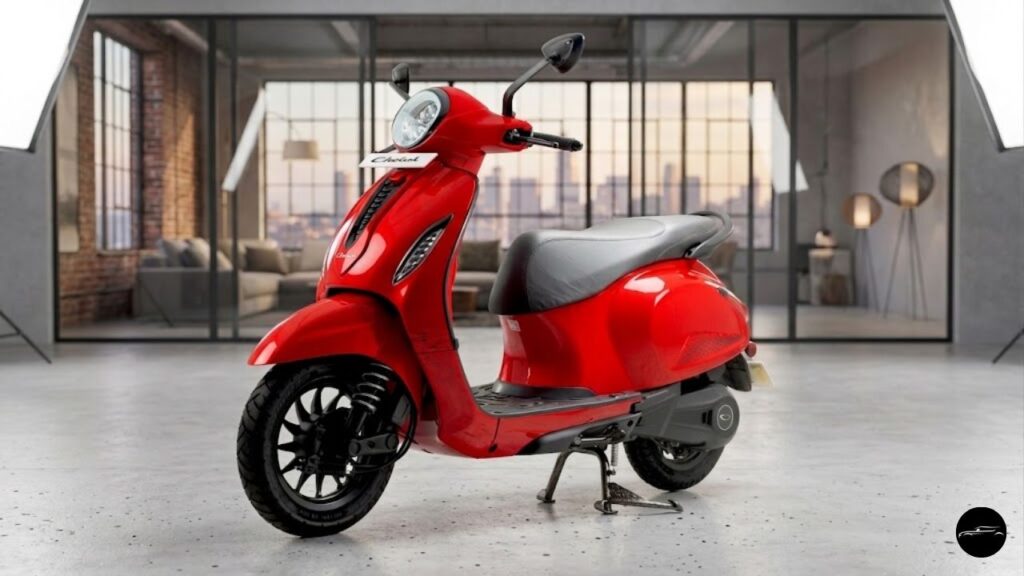
Currently, the Pantnagar plant in Uttarakhand stands as the primary option for shifting Chetak EV production. In addition, Bajaj Auto is also evaluating Karnataka and Tamil Nadu as potential alternatives. Both states have been aggressively working to attract EV investments in recent years. Meanwhile, the Pantnagar facility already has existing infrastructure, which makes it a practical and cost-effective choice for production relocation.
However, no final decision has been confirmed yet. Discussions between Bajaj Auto and the Maharashtra government are still ongoing. Nevertheless, the very fact that Bajaj is publicly entertaining this shift puts enormous pressure on Maharashtra to act quickly and decisively.
| Detail | Information |
|---|---|
| Company | Bajaj Auto |
| Model | Bajaj Chetak Electric Scooter |
| Current Plant | Pune, Maharashtra |
| Proposed New Location | Pantnagar (Primary Option) |
| Other States Considered | Karnataka, Tamil Nadu |
| Pending Subsidy | ₹75 crore from Maharashtra |
| Total Investment in Pune | ₹750 crore |
| Vendor Investment | ₹250 crore |
| Planned Additional Investment | ₹420 crore |
| Company MD | Rajiv Bajaj |
Massive Investment at Stake for Maharashtra
The financial numbers involved in this dispute are staggering. Bajaj Auto has already invested ₹750 crore in Pune’s EV ecosystem, and local vendors have contributed an additional ₹250 crore. Moreover, the company had planned to invest another ₹420 crore in EV development. However, if the production shift materializes, that fresh ₹420 crore investment could be redirected entirely to Pantnagar or another state. Therefore, Maharashtra is not just at risk of losing a factory; it stands to lose a massive chunk of future EV growth and employment opportunities.
In addition, the Pune-Pimpri-Chinchwad auto hub, which is one of India’s most critical manufacturing corridors, could face serious ripple effects. Thousands of jobs across the supplier ecosystem depend on Bajaj’s continued presence in the region. Consequently, this is far bigger than just one company’s grievance.

To understand why this matters so much, consider Bajaj’s footprint in Maharashtra. The company currently holds an extraordinary 87% market share in electric three-wheelers in the state. Additionally, around 15 to 17% of Bajaj’s total India sales come from Maharashtra alone. So, on one hand, Maharashtra is a critical market for Bajaj Auto. On the other hand, the state’s policy failures are pushing the company toward the exit door. This contradiction perfectly highlights how poor governance can damage even the strongest industrial relationships.
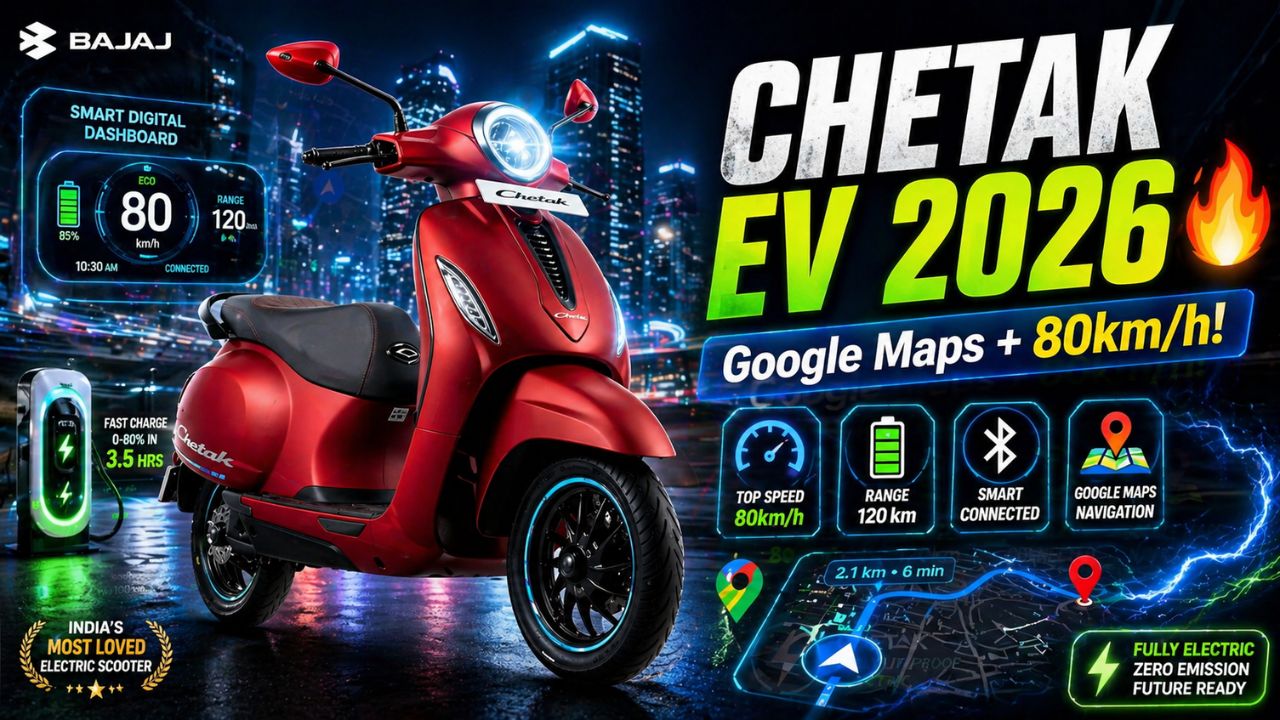
Moreover, the Chetak electric scooter has been one of Bajaj’s flagship EV products, symbolizing the company’s commitment to India’s clean mobility future. Therefore, any disruption in Chetak’s production chain could impact delivery timelines, pricing, and consumer confidence across the country.
Maharashtra Government’s Response to Bajaj Auto
The Maharashtra government has responded to the controversy, but its reply has been notably understated. According to official P Anabalagan, the subsidy issue is minor and discussions with Bajaj Auto are currently ongoing. However, many industry observers feel that calling a ₹75 crore pending payment “minor” reflects a disconnect from ground-level business realities. Furthermore, companies make investment decisions based on policy reliability and timely financial commitments, not just on promises of dialogue.
Meanwhile, other states are not sitting idle. Karnataka and Tamil Nadu have both been building strong EV-friendly policy frameworks, and they are clearly using this moment to position themselves as credible alternatives to Maharashtra. Consequently, the pressure on the Maharashtra government to resolve this issue quickly is immense.
What This Means for India’s EV Sector
This entire episode sends a broader message to India’s EV industry. Policy consistency and timely subsidy disbursement are not optional extras; they are the foundation on which companies build multi-crore investment decisions. Moreover, when a brand as established as Bajaj Auto publicly criticizes a state’s EV policy, it signals systemic problems that go beyond one company’s experience. Additionally, smaller EV startups watching this situation may think twice before committing large investments in states with inconsistent policy frameworks.
Therefore, the Bajaj-Maharashtra standoff is essentially a test case for how seriously Indian states take their EV commitments. In the end, the outcome of these ongoing discussions will shape investment decisions across the EV ecosystem for years to come.
Why is Bajaj Auto planning to shift Chetak EV production out of Maharashtra?
Bajaj Auto is considering shifting production due to pending subsidies worth ₹75 crore from the Maharashtra government, EV policy inconsistencies, and a new rule restricting auto-rickshaw permits in the state.

Where will Bajaj shift its Chetak EV production?
The Pantnagar plant in Uttarakhand is the primary option being considered. Karnataka and Tamil Nadu are also being evaluated as alternative production locations.
How much has Bajaj Auto invested in Pune’s EV ecosystem?
Bajaj Auto has already invested ₹750 crore in Pune’s EV ecosystem, with an additional ₹250 crore contributed through local vendors and ₹420 crore planned for future EV development.
What did Rajiv Bajaj say about Maharashtra’s EV policy?
Bajaj Auto MD Rajiv Bajaj publicly called Maharashtra’s EV policy a “massive failure,” highlighting serious inconsistencies that have made long-term investment planning difficult for the company.
Has Bajaj Auto made a final decision on shifting production?
No, a final decision has not been confirmed yet. Discussions between Bajaj Auto and the Maharashtra government are still ongoing, and the situation continues to evolve.
SEE ALSO:
- Ola Electric’s Biggest EV Sale: Buy S1 X at ₹49,999 with 8-Year Warranty
- Big Move! GoMechanic Rolls Out Nationwide Roadside Assistance in India
- VinFast Electric Scooters Launch in India 2026: Evo, Feliz, Viper Specs, Price & Full Details
- Hero Vida Crosses 2 Lakh Deliveries in India: Sales Growth, Market Share & BaaS Explained