The way we move from one place to another is changing faster than ever before. Cars and bikes are no longer just machines that get you from Point A to Point B, they are intelligent, connected, and increasingly eco-friendly companions built for the modern world. Moreover, with electric vehicles taking center stage and smart technologies redefining the driving experience, transportation today is about so much more than just speed.
Whether you are a daily commuter, a weekend adventurer, or someone passionate about sustainable living, the evolution of automobiles and motorcycles is something that directly impacts your life.
Contents
The Shift Toward Smarter Mobility
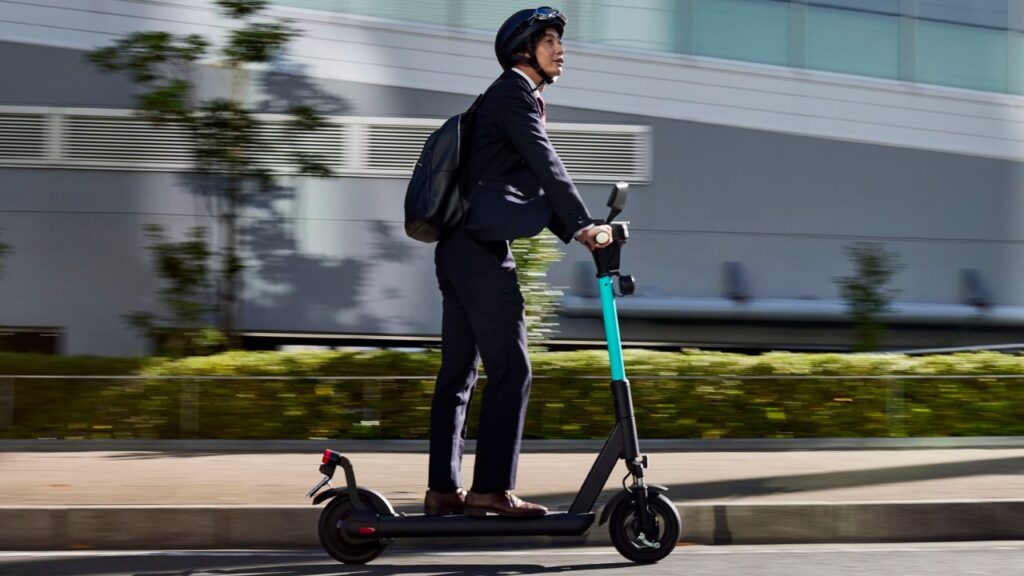
Traditional vehicles are undergoing a remarkable transformation. In fact, modern cars and bikes are no longer simple mechanical devices, they are sophisticated, tech-loaded machines designed to prioritize efficiency, safety, and user experience. Furthermore, innovations like autonomous driving, AI-powered systems, and vehicle-to-infrastructure communication are reshaping the very foundation of transportation. As a result, what once seemed like science fiction is now rolling off production lines and hitting roads worldwide.
Additionally, governments and automakers across the globe are investing heavily in greener alternatives. Therefore, the shift toward smarter mobility is not just a trend, it is a necessary evolution driven by environmental responsibility, urban growth, and changing consumer expectations.
Cars: Redefining Comfort, Technology, and Sustainability
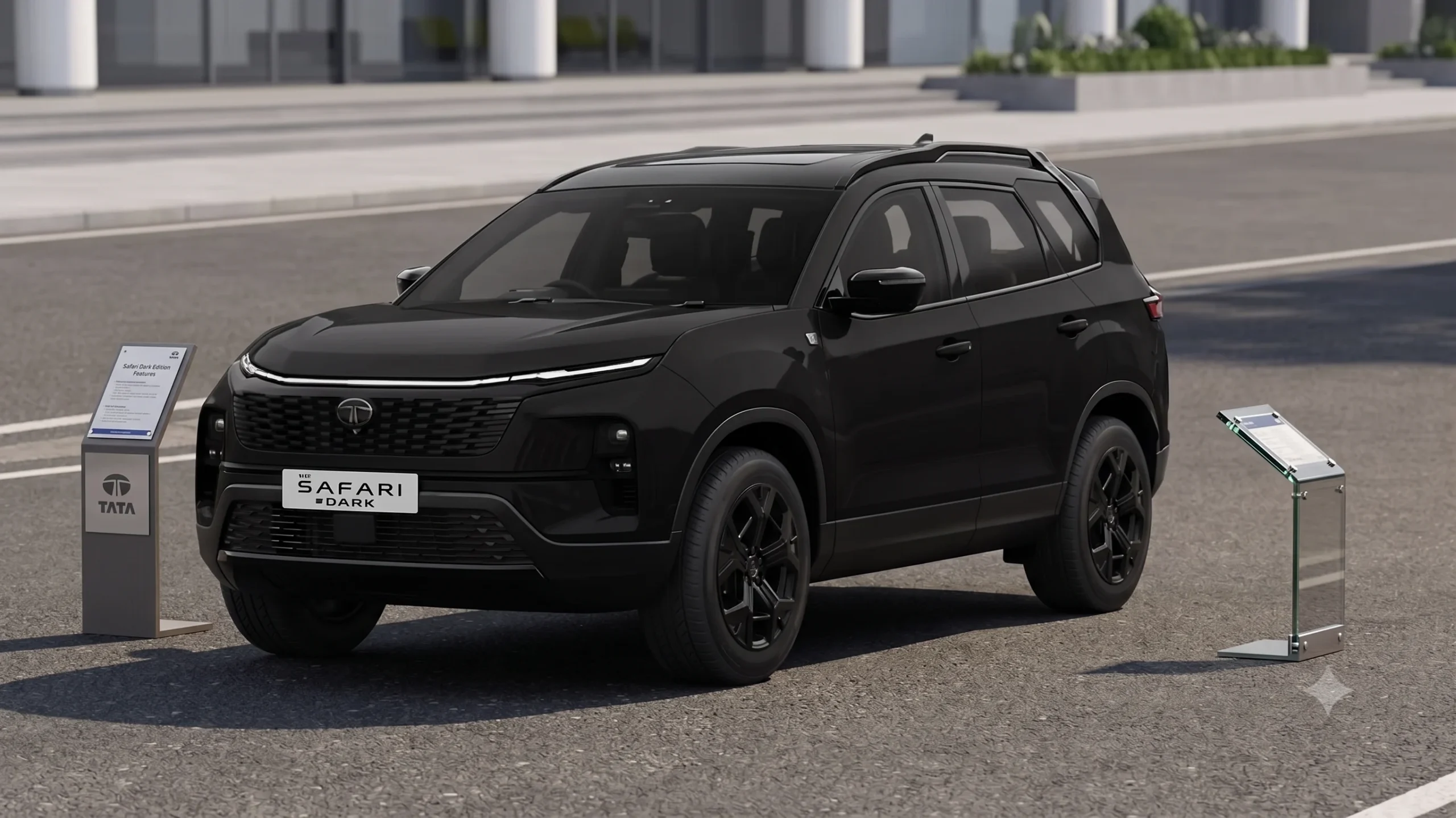
Modern cars are integrating features that go well beyond the basic act of driving. Today’s automobiles combine cutting-edge technology with premium comfort, and consequently, the driving experience has become more intuitive, safer, and more enjoyable than ever before.
Electric and Hybrid Cars are leading this revolution. Moreover, they significantly reduce carbon footprints while delivering impressive acceleration, longer range, and lower running costs. Brands like Tesla, Tata, and Hyundai are proving that going green does not mean compromising on performance.
Smart Connectivity is another game-changer. In addition, AI-enabled dashboards, real-time navigation, voice assistants, and over-the-air software updates are making cars feel more like smartphones on wheels. Meanwhile, features like Apple CarPlay and Android Auto keep drivers seamlessly connected without taking their eyes off the road.
Safety Innovations have also reached new heights. Advanced Driver Assistance Systems (ADAS), automatic emergency braking, lane-keeping assist, and blind-spot monitoring are now standard in many new models. Consequently, road accidents are steadily declining in regions where these technologies are widely adopted.
Furthermore, Luxury Meets Sustainability in today’s top-tier vehicles. Automakers are combining eco-friendly engineering with premium interiors, refined aerodynamics, and elegant design. Therefore, buying an electric or hybrid car today means choosing both style and responsibility.

| Feature | Details |
|---|---|
| Powertrain | Electric, Hybrid, and ICE options |
| Smart Tech | AI dashboards, voice control, OTA updates |
| Safety | ADAS, auto braking, lane assist |
| Sustainability | Lower emissions, eco-friendly materials |
| Connectivity | CarPlay, Android Auto, real-time navigation |
Bikes: Speed, Efficiency, and the Freedom to Ride
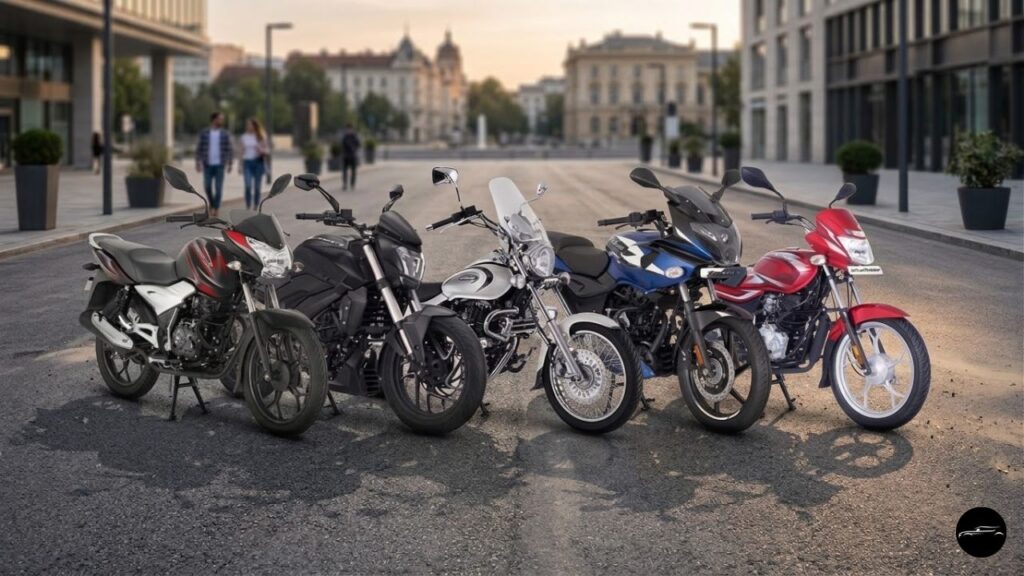
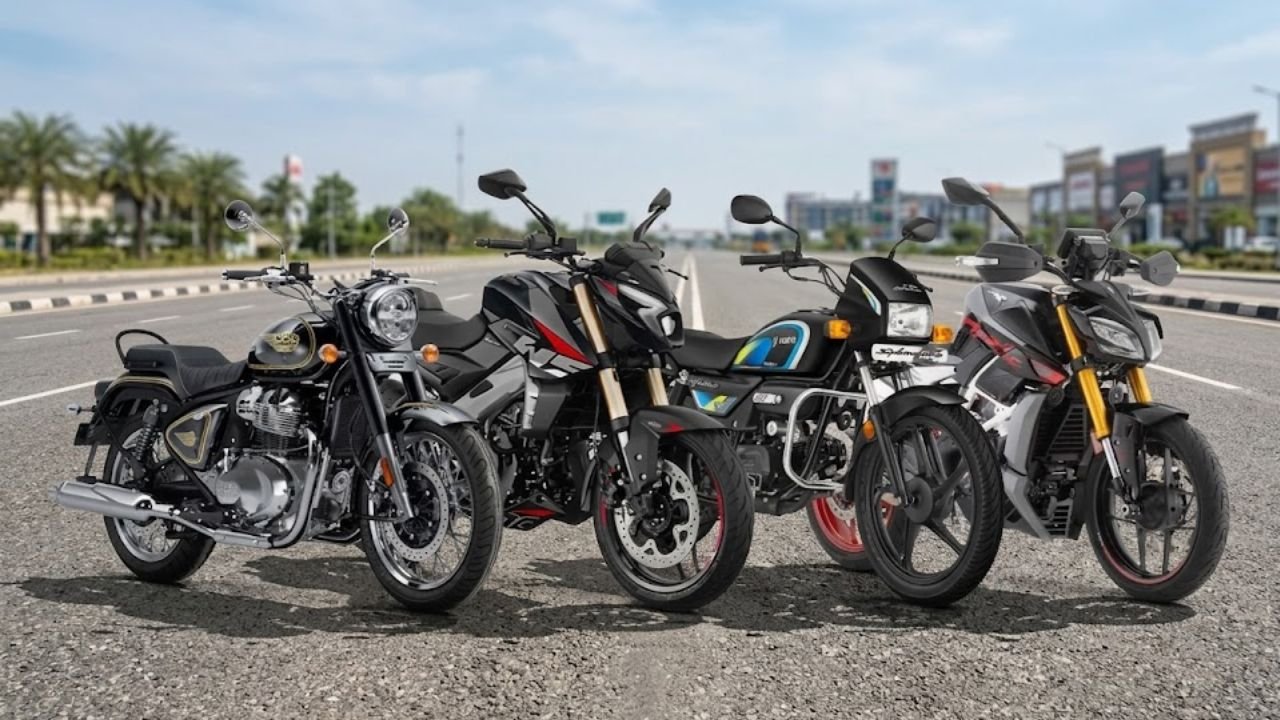
Motorcycles and scooters are evolving just as rapidly as cars. In fact, two-wheelers are becoming smarter, cleaner, and more capable with every passing year. Additionally, for millions of riders across India and the world, bikes represent not just transportation but a lifestyle and a passion.
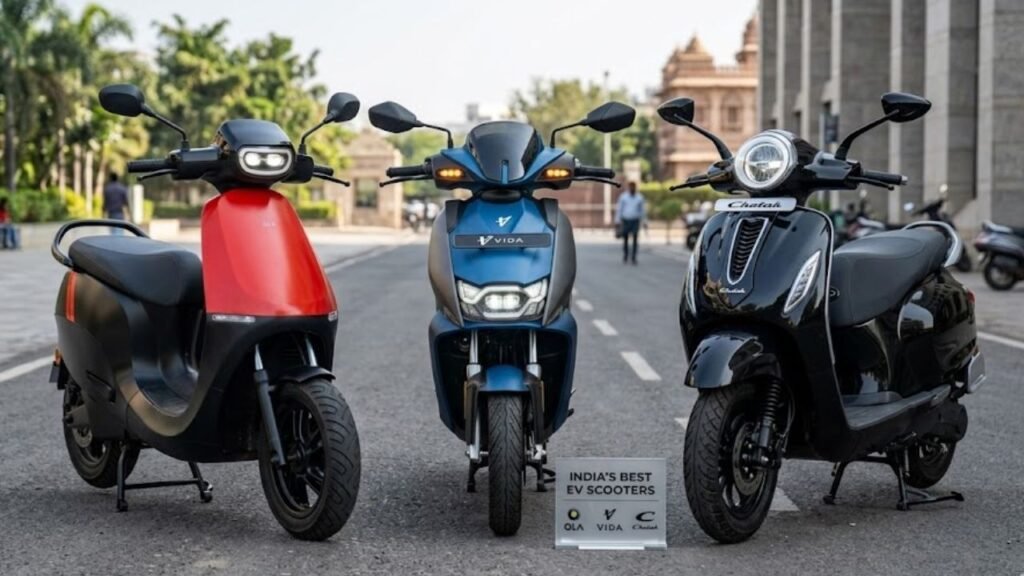
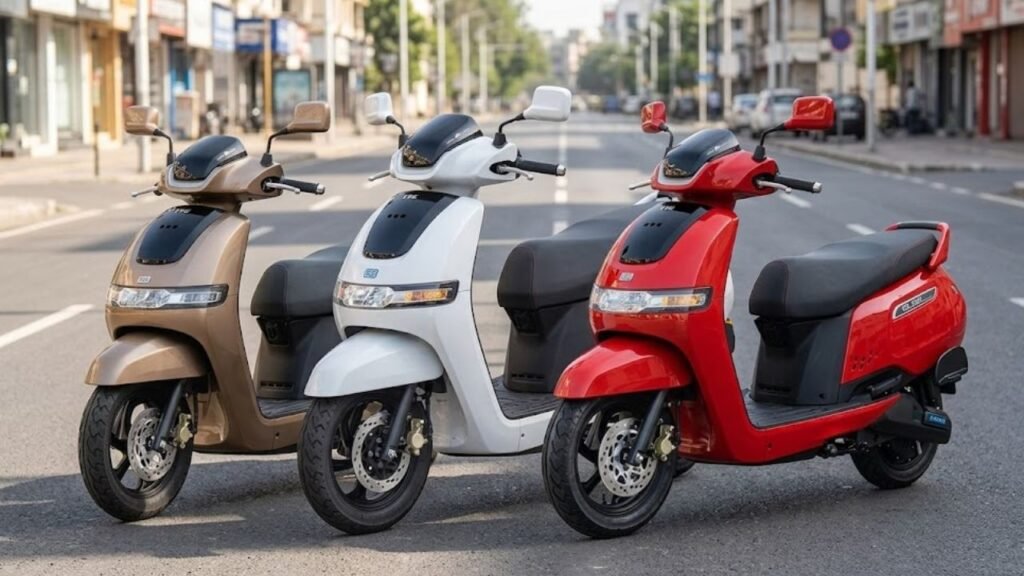
Electric Bikes are transforming urban commuting. Moreover, they offer a sustainable, low-maintenance, and cost-effective alternative to petrol-powered vehicles. Brands like Ola Electric, Ather Energy, and Bajaj Chetak are making electric scooters accessible and practical for everyday use.
Smart Features are also making their way into modern motorcycles. GPS navigation, smartphone integration, ride analytics, and anti-theft systems are now available even on mid-range bikes. Furthermore, connected dashboards help riders track performance, plan routes, and stay informed in real time.
Meanwhile, bikes serve as an excellent Urban Mobility Solution. In congested cities, two-wheelers help reduce traffic, cut down on commute time, and lower pollution levels. Therefore, many city planners and governments are actively encouraging the adoption of electric two-wheelers as a smarter alternative to four-wheelers.
On the other hand, Adventure and Lifestyle Bikes cater to an entirely different audience. From Royal Enfield Himalayan to KTM Duke, performance-oriented motorcycles are designed for thrill-seekers and long-distance tourers who crave the open road. Additionally, these bikes blend raw power with modern reliability, making every journey an experience worth remembering.
| Bike Type | Key Benefit |
|---|---|
| Electric Scooters | Zero emissions, low running cost |
| Smart Commuters | GPS, Bluetooth, ride analytics |
| Urban Two-Wheelers | Beat traffic, reduce pollution |
| Adventure Bikes | Performance, durability, long-range touring |
How Cars and Bikes Are Shaping the Future of Mobility
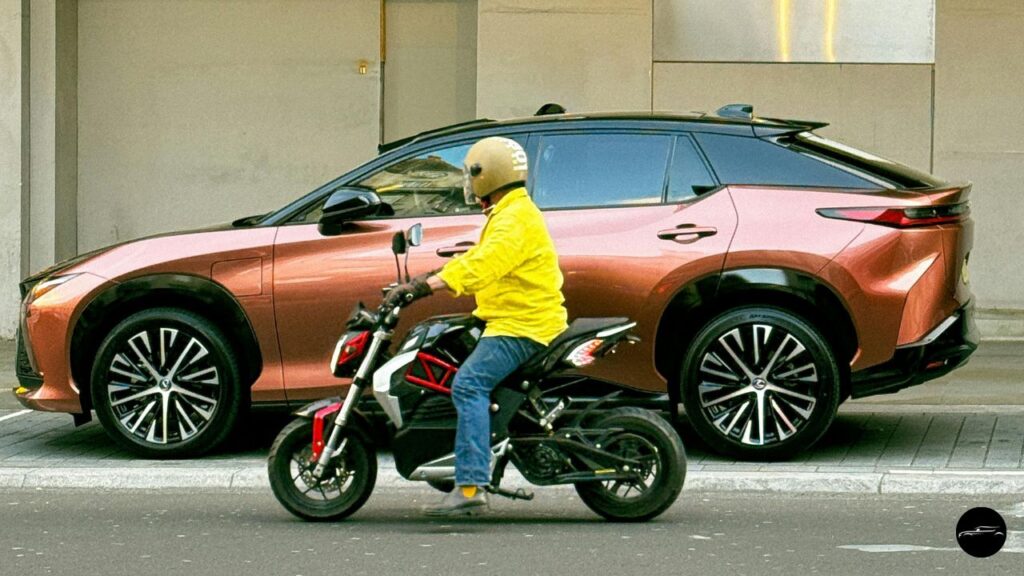
The impact of modern vehicles extends far beyond personal convenience. In fact, cars and bikes together are actively building a smarter, greener, and more connected transportation ecosystem for the world.
Sustainable Mobility is at the heart of this transformation. Electric and hybrid vehicles are steadily reducing fossil fuel dependency, and consequently, carbon emissions across the transportation sector are beginning to decline. Moreover, renewable energy integration with EV charging infrastructure is making the entire ecosystem even greener.
The Connected Ecosystem is another powerful shift. Modern vehicles communicate with smart infrastructure, traffic management systems, and even other vehicles through V2X (Vehicle-to-Everything) technology. Therefore, commuting is becoming safer, more efficient, and remarkably intelligent.
Additionally, Enhanced Convenience is a defining factor of next-generation mobility. Smart features like predictive maintenance alerts, remote vehicle access, automated parking, and real-time diagnostics make owning and operating a vehicle significantly easier. Furthermore, subscription-based mobility services and shared transportation models are giving people more flexibility than ever.

Finally, Innovative Experiences powered by AI and autonomy are redefining what it means to travel. From semi-autonomous highway driving to fully electric city bikes, the user experience is evolving at a breathtaking pace. Consequently, transportation is no longer just a utility, it is an experience in itself.
The Road Ahead: A Smarter, Greener Tomorrow
Cars and bikes are powerful symbols of human ingenuity, and today, they are becoming even more extraordinary. Moreover, as technology continues to advance, these vehicles are growing smarter, cleaner, and more deeply integrated into our daily lives. Whether it is the silent glide of an electric car or the roar of a performance motorcycle on a mountain road, transportation today speaks the language of innovation. Therefore, embracing this evolution is not just smart, it is essential for building a sustainable and exciting future for everyone on the road.
FAQs
How are modern cars different from traditional vehicles?
Modern cars go far beyond basic transportation. They feature AI-powered dashboards, ADAS safety systems, electric and hybrid powertrains, smart connectivity, and over-the-air software updates, making them significantly more advanced, safer, and eco-friendly than traditional vehicles.
Are electric bikes a good option for daily commuting in India?
Yes, absolutely. Electric bikes like Ola S1, Ather 450X, and Bajaj Chetak offer low running costs, zero tailpipe emissions, and smooth performance, making them an excellent and practical choice for daily urban commuting in Indian cities.
What is ADAS and why is it important in modern cars?
ADAS stands for Advanced Driver Assistance Systems. It includes features like automatic emergency braking, lane-keeping assist, adaptive cruise control, and blind-spot detection. These systems actively improve road safety and reduce the risk of accidents significantly.
How do connected vehicles improve the driving experience?
Connected vehicles communicate with smart infrastructure, navigation systems, and other vehicles in real time. This enables features like live traffic updates, remote diagnostics, predictive maintenance alerts, and safer autonomous driving capabilities, making every journey smarter and more convenient.
What is the future of transportation with electric and smart vehicles?
The future of transportation is electric, connected, and autonomous. With rapid advancements in battery technology, AI, and V2X communication, vehicles will become cleaner, safer, and more efficient, ultimately transforming how billions of people commute and travel every day.
SEE ALSO: