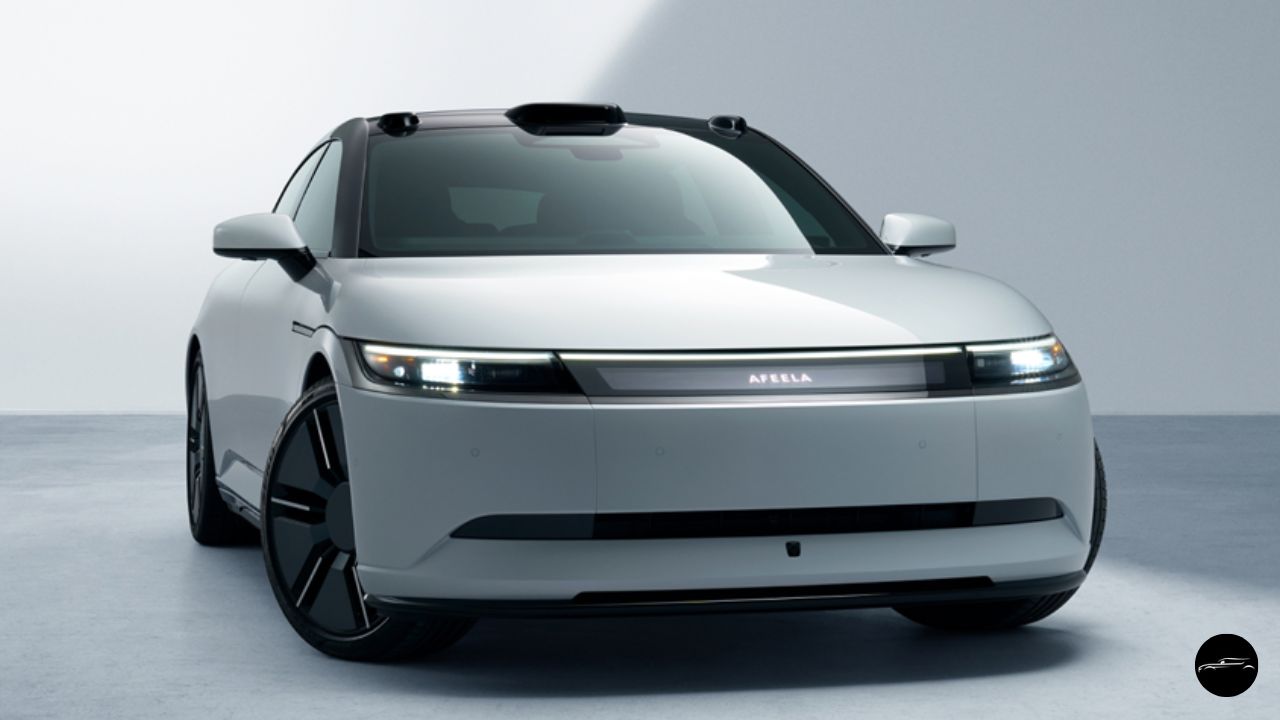
The electric vehicle world just got a major shake-up. Sony and Honda’s ambitious joint venture, Sony Honda Mobility, has officially pulled the plug on its highly anticipated Afeela EV project. What was once a bold vision blending cutting-edge technology with automotive engineering is now a cancelled dream. Moreover, this decision impacts thousands of customers in California who had already placed reservations. So, what exactly went wrong? And what does this mean for the future of tech-driven electric vehicles? Let’s break it all down.
What Was the Sony-Honda Afeela EV Project?
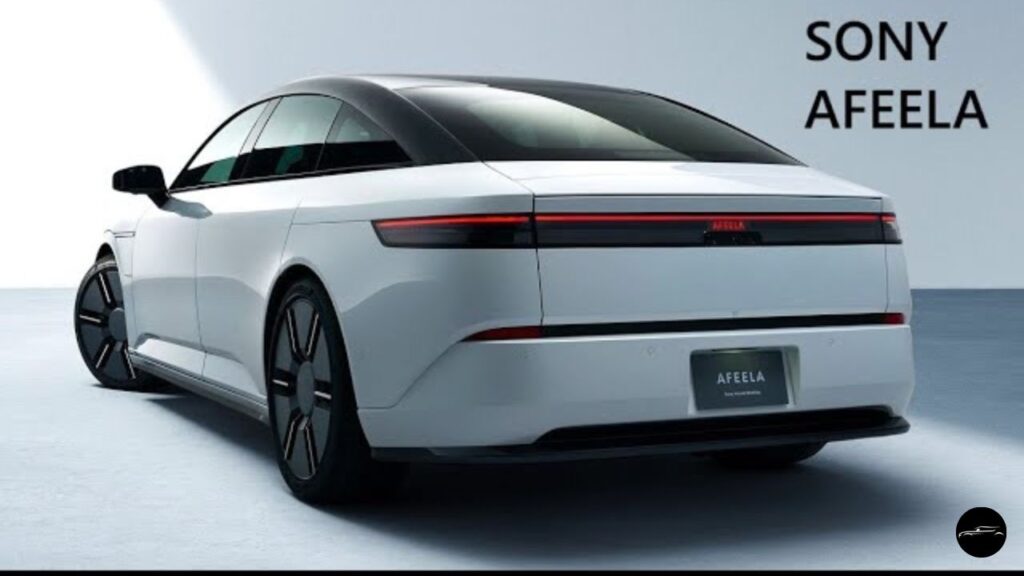
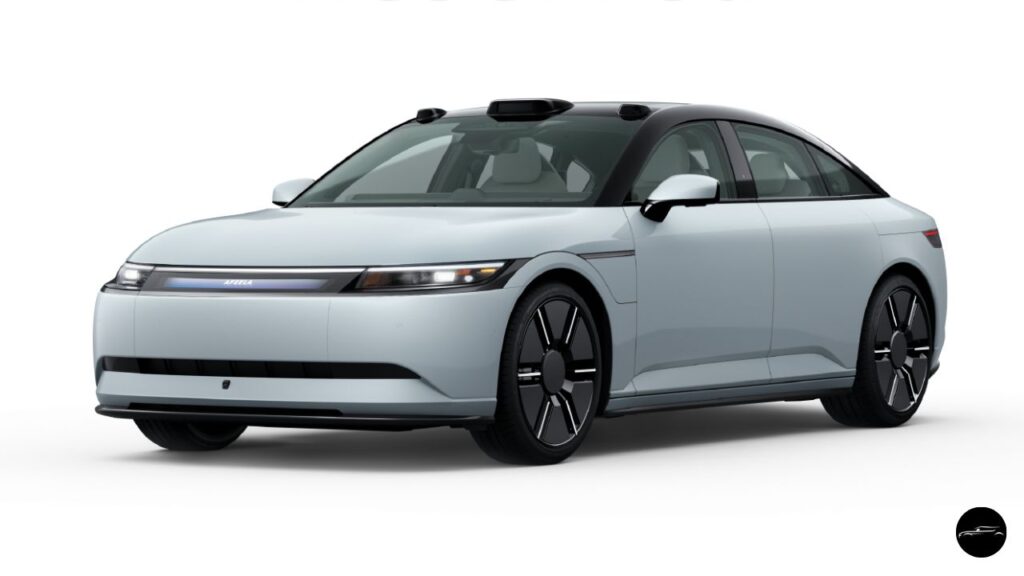
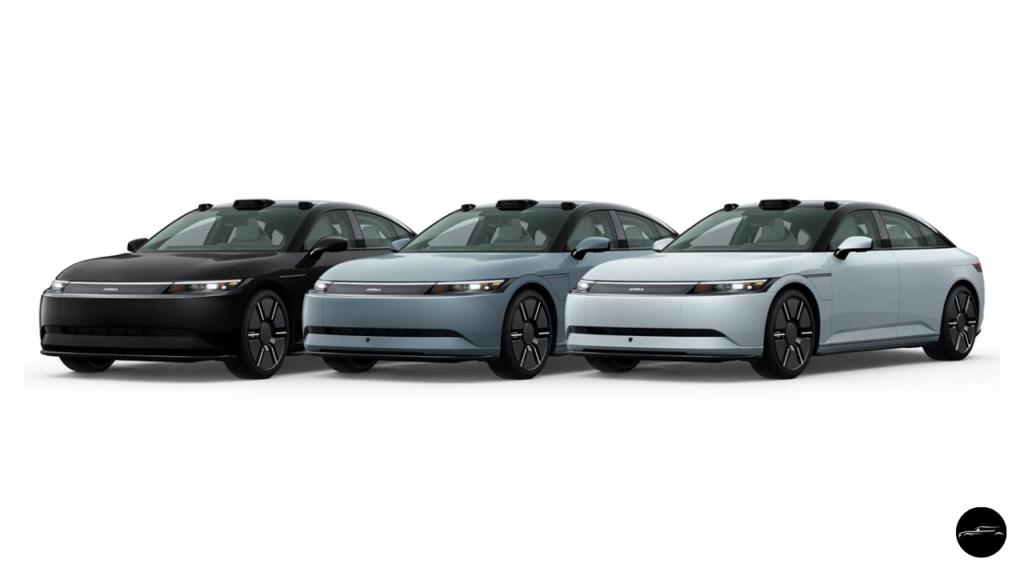
Back when Sony and Honda announced their joint venture, Sony Honda Mobility, the automotive world was genuinely excited. The Afeela EV was positioned as a next-generation electric vehicle, seamlessly blending Sony’s world-class technology expertise with Honda’s deep automotive manufacturing heritage. Additionally, the flagship model, the Afeela 1, was designed as a premium electric sedan specifically targeting the US market, with deliveries planned for 2026 in California. An Afeela SUV was also in the pipeline, with an expected launch around 2028. However, as we now know, none of that will happen.
Why Did Honda and Sony Cancel the Afeela EV?
The cancellation didn’t happen overnight. Instead, it resulted from a combination of serious strategic, financial, and market-level challenges that made the project increasingly unviable. Here’s what went wrong:
Honda’s massive EV strategy pivot is the most significant factor. Honda announced a staggering writedown of up to 2.5 trillion yen (approximately $15.7 billion USD), signalling a dramatic shift away from several EV initiatives, particularly those targeting the US market. Consequently, the Afeela project lost the critical platform and technology support it needed to survive.
Moreover, global EV demand simply didn’t grow as expected. Europe, which was counted on as a major growth market, saw significantly lower EV adoption than analysts had projected. Meanwhile, Chinese EV brands like BYD, NIO, and others flooded global markets with competitively priced vehicles, putting immense pressure on newer, premium entrants like Afeela.
In addition, the US regulatory and tariff landscape created further uncertainty. Policy instability around EV incentives and import tariffs made long-term planning extremely difficult. Therefore, with no clear production path and shrinking market confidence, both companies agreed that moving forward no longer made business sense.
Key Reasons Behind the Afeela EV Cancellation
| Reason | Details |
|---|---|
| Honda Strategy Pivot | Major EV restructuring with $15.7B writedown |
| Loss of JV Support | Technology and platform support discontinued |
| Weak EV Demand | Europe and global markets underperformed |
| Chinese EV Competition | BYD and others increased market pressure |
| US Regulatory Issues | Tariff and policy uncertainty disrupted planning |
| No Viable Production Path | Manufacturing roadmap became unsustainable |
Which Afeela Models Are Now Cancelled?
Both planned Afeela vehicles are now officially shelved. The Afeela 1 sedan was the more developed of the two, it had already been showcased publicly and had attracted real customer interest in California. Deliveries were scheduled to begin in 2026, but those plans are now completely off the table. Furthermore, the Afeela SUV, which was in earlier stages of development with an expected launch around 2028, has also been cancelled entirely. In short, the Afeela brand as a product line no longer exists.
What Happens to Customers Who Reserved the Afeela 1?
This is naturally one of the most pressing concerns for many people. Fortunately, Sony Honda Mobility has confirmed that all customers in California who made reservations for the Afeela 1 will receive full refunds. Therefore, while the disappointment is real, customers won’t face any financial loss from this cancellation. That said, it’s still a frustrating outcome for early adopters who believed in the project’s potential.
What’s Next for Sony Honda Mobility?
Interestingly, the joint venture itself is not dissolving. Sony Honda Mobility has stated that it will continue discussions around future collaborations beyond the Afeela project. Moreover, both companies appear open to exploring new directions together, though no specific projects have been announced yet. On the other hand, given how dramatically Honda has restructured its EV ambitions, any future venture will likely be much more cautiously planned and market-tested before launch.
What This Cancellation Tells Us About the EV Industry
The Afeela cancellation is more than just one project falling apart,
it’s a clear signal about where the global EV market stands today. Traditional automakers are discovering that transitioning to electric vehicles is far more complex and expensive than originally anticipated. Additionally, tech giants entering the auto space face unique challenges that go beyond software and innovation.
Furthermore, the intense competition from Chinese EV manufacturers has disrupted the competitive landscape in ways that even the most well-funded Western companies are struggling to navigate. Tesla remains dominant in the premium EV segment, while brands like BYD aggressively compete on price and volume. Consequently, new entrants without an established manufacturing base and loyal customer network face an uphill battle.
This situation also highlights a critical lesson: tech-driven automotive projects are deeply dependent on parent company strategy. When a major stakeholder like Honda shifts direction, the ripple effects can kill an entire venture, even one with genuine innovation and public excitement behind it.
Financial Impact on Sony and Honda
Despite the dramatic nature of this cancellation, both Sony and Honda have indicated that the financial impact on their current fiscal year will be limited. However, Honda’s broader EV writedown of approximately $15.7 billion tells a much bigger story about the costs of pivoting away from ambitious electrification plans. Meanwhile, Sony’s exposure through the joint venture appears to be contained, given that the Afeela project was still in pre-production stages.
| Financial Detail | Information |
|---|---|
| Honda EV Writedown | Up to 2.5 trillion yen (~$15.7 billion USD) |
| Current Year Impact | Limited, as stated by both companies |
| Customer Refunds | Full refunds to California reservation holders |
| Joint Venture Status | Continuing, exploring future projects |
FAQs
Why was the Sony-Honda Afeela EV project cancelled?
The Afeela EV project was cancelled primarily due to Honda’s major strategic pivot in its EV roadmap, loss of platform and technology support for the joint venture, weak global EV demand, rising competition from Chinese EV brands, and regulatory uncertainty in the US market.
Will Afeela 1 reservation holders get a refund?
Yes. All customers in California who placed reservations for the Afeela 1 electric sedan will receive full refunds from Sony Honda Mobility.
Is Sony Honda Mobility shutting down completely?
No. The joint venture, Sony Honda Mobility, is not shutting down. Both companies have confirmed they will continue discussions on future collaboration projects, though no new vehicles have been announced yet.
How much did Honda write down due to its EV strategy change?
Honda announced a writedown of up to 2.5 trillion yen, which is approximately $15.7 billion USD, as part of its broader EV strategy restructuring.
What models were affected by the Afeela EV cancellation?
Two models were cancelled, the Afeela 1 electric sedan, which was planned for 2026 deliveries in California, and the Afeela SUV, which had an expected launch around 2028. Both projects have been completely shelved.
SEE ALSO:
- Cars and Bikes: The Future of Smart, Connected & Sustainable Mobility
- Mercedes-Maybach VLS Electric MPV Launched: Features, Interior, Specs & Launch Timeline
- Tata Sierra Mileage Revealed via RTI: Real ARAI Figures, Petrol vs Diesel & Full Details 2026
- Kia Syros Feb 2026 Sales Report: Why This Feature-Loaded SUV Is Failing in India?