India is making a bold move toward a cleaner, greener, and more self-reliant fuel future. The Ministry of Road Transport and Highways has recently issued a draft notification to include high-ethanol fuels like E85 and E100 in the country’s official fuel framework. Moreover, this comes right after India successfully achieved its E20 ethanol blending target in 2025, a full five years ahead of the original 2030 deadline. Therefore, the momentum is real, the policy is moving fast, and the impact on farmers, consumers, and the auto industry will be massive.
Contents
- 1 India’s High-Ethanol Flex-Fuel Policy: What the Draft Notification Proposes
- 2 India Already Hit the E20 Target Five Years Early
- 3 Economic Benefits of Ethanol Blending for India
- 4 Technical Challenges of Moving to E85 and E100
- 5 Infrastructure Challenges India Must Solve
- 6 Brazil’s Flex-Fuel Success: A Blueprint India Can Follow
- 7 What Happens Next: Timeline and Industry Consultation
- 8 FAQs
India’s High-Ethanol Flex-Fuel Policy: What the Draft Notification Proposes
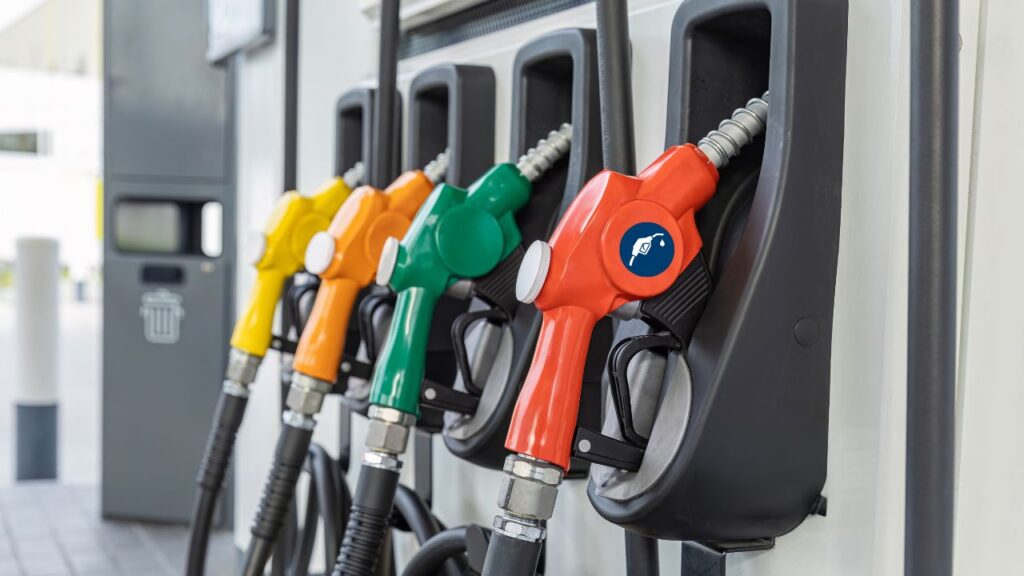
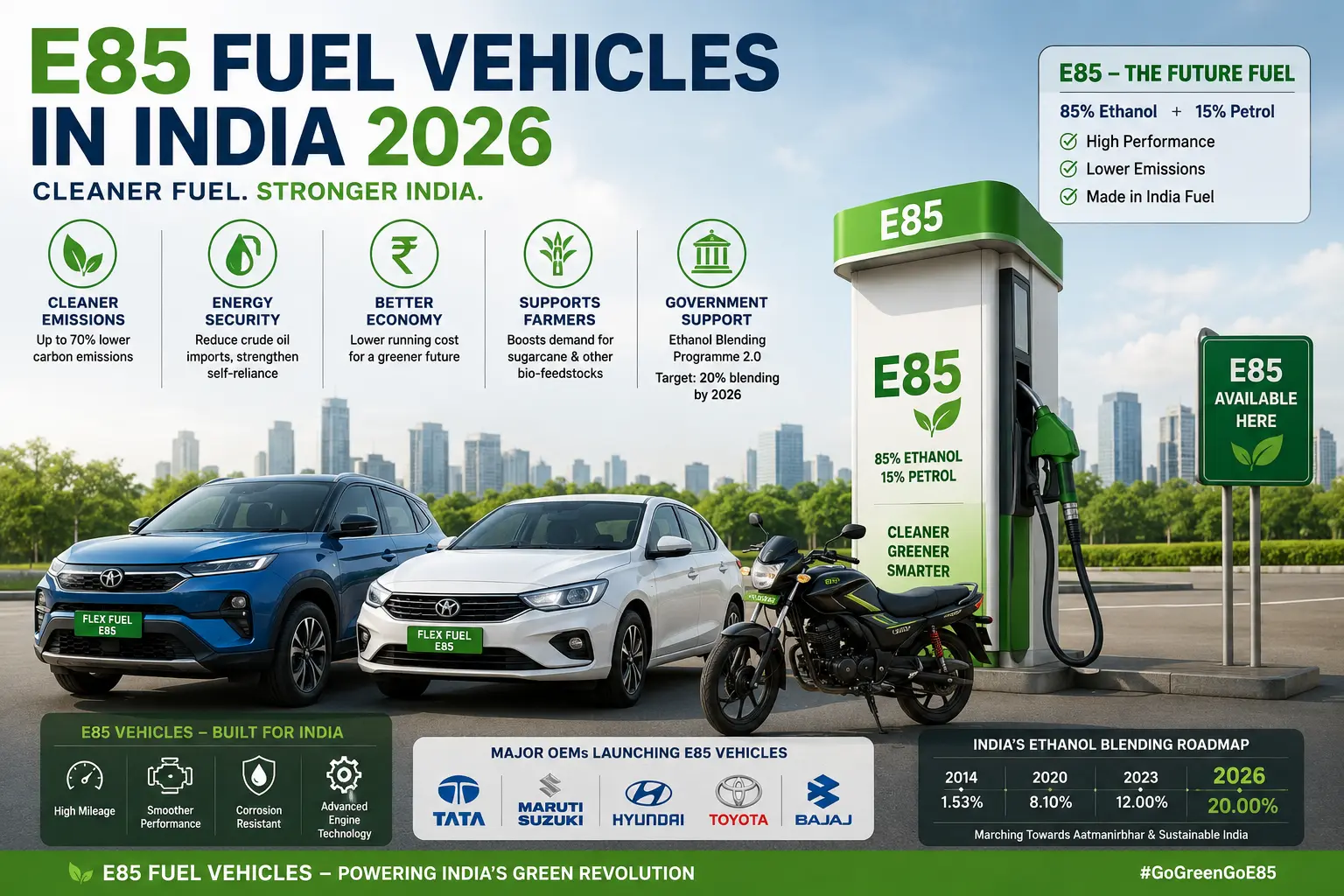
The Ministry of Road Transport and Highways has officially issued a draft notification that proposes major changes to India’s fuel classification system. Currently, petrol is classified under the E10/E category. However, the new proposal upgrades this classification to E10/E20 and adds two powerful new fuel types: E85, which contains 85% ethanol, and E100, which is pure ethanol fuel. In addition, the draft also proposes upgrading biodiesel from B10 all the way to B100 and reclassifying hydrogen fuel from Hydrogen with CN to Hydrogen with CNG. Furthermore, the notification aims to standardise emission testing procedures and technical terminology across the board.
Additionally, vehicle weight limits for selected categories will increase from 3000 kg to 3500 kg. The draft is currently open for public comments, so industry stakeholders and citizens can still share their feedback before final rules are decided.
India Already Hit the E20 Target Five Years Early
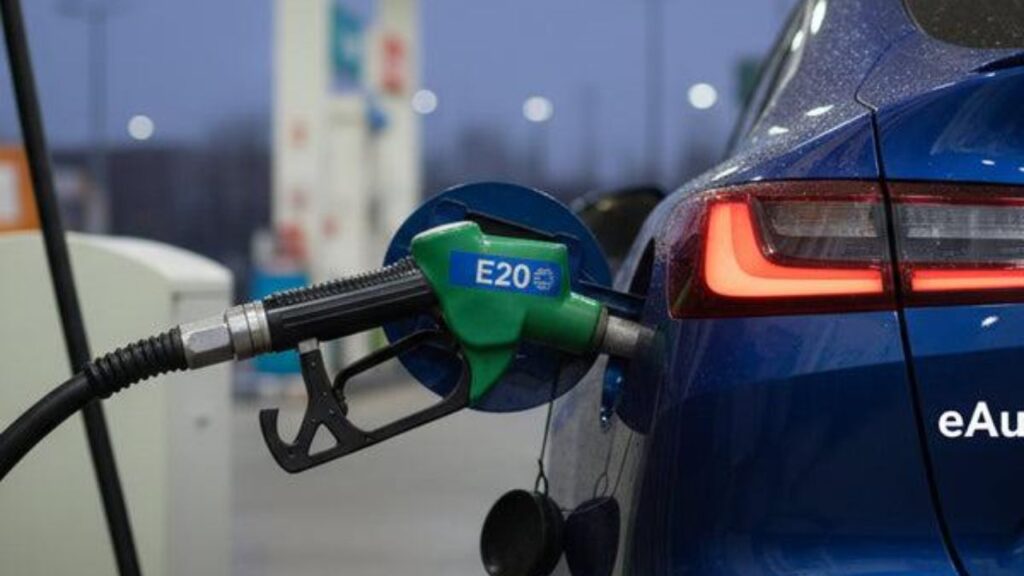
Before we dive deeper, it is important to acknowledge a major milestone. India achieved its E20 ethanol blending target in 2025, which was originally planned for 2030. This is not a small achievement. Moreover, it signals that India’s ethanol ecosystem, from sugarcane farmers to distilleries to fuel retailers, is already maturing at a faster pace than expected. Consequently, the government now feels confident enough to push the framework further toward E85 and E100. Therefore, this policy is not just an ambitious proposal on paper. It is a natural next step built on proven progress.
Economic Benefits of Ethanol Blending for India
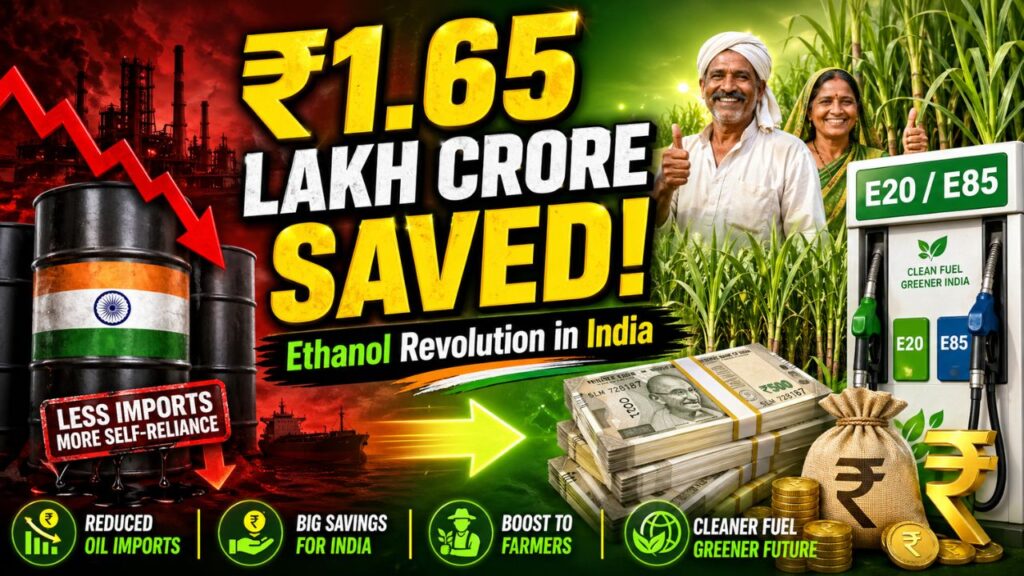
The financial case for high-ethanol fuels is extremely strong. India currently saves approximately 4.5 crore barrels of crude oil every single year through ethanol blending. Furthermore, this translates into a massive forex saving of Rs 1.65 lakh crore annually, which directly strengthens India’s foreign exchange reserves and reduces import dependency.
Meanwhile, even at the E20 level, India is already saving around Rs 43,000 crore in forex outflows. Additionally, ethanol blending provides direct income support of Rs 40,000 crore to Indian farmers, especially sugarcane growers who supply the raw material for ethanol production.
On the production side, India’s ethanol manufacturing capacity currently stands at around 2,000 crore litres per year. Moreover, an additional 400 crore litres of capacity is expected to come online in the next year alone. Therefore, the supply chain is clearly gearing up for a much higher ethanol future.
| Economic Factor | Details |
|---|---|
| Crude Oil Saved Per Year | ~4.5 crore barrels |
| Forex Savings (Overall) | Rs 1.65 lakh crore/year |
| Forex Savings (E20 Level) | ~Rs 43,000 crore |
| Farmer Income Support | Rs 40,000 crore |
| Current Ethanol Production | ~2,000 crore litres/year |
| Upcoming Additional Capacity | +400 crore litres/year |
Technical Challenges of Moving to E85 and E100
While the economic benefits are clear, the technical side of this transition is genuinely complex. Most vehicles manufactured after April 2023 are already E20 compatible and can handle up to a 30% ethanol blend without major modifications.

However, moving to E85 or E100 is a completely different challenge. These high-ethanol fuels require a full engine redesign, along with upgrades to fuel system components and materials used inside the engine. In addition, ethanol naturally attracts moisture and can cause corrosion in standard fuel system parts. Therefore, manufacturers need to use ethanol-resistant seals, injectors, and fuel lines.
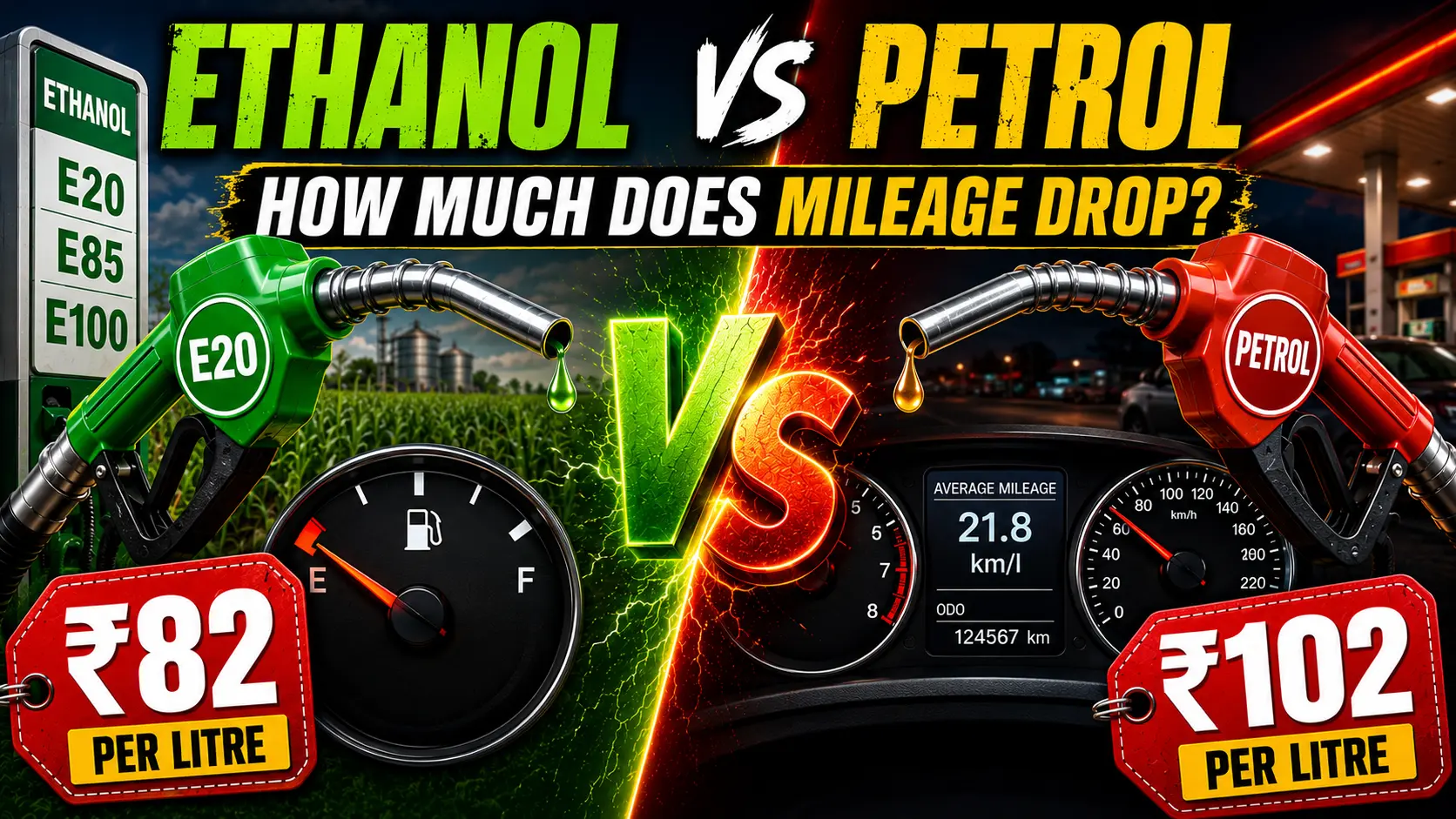
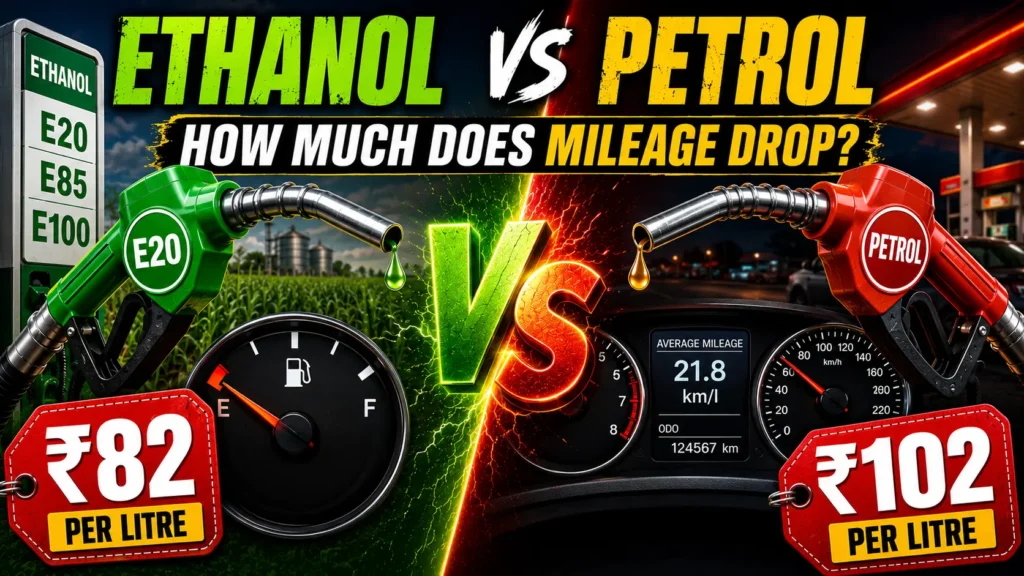
Consequently, building a flex-fuel vehicle capable of running on E85 or E100 is significantly more expensive than producing a standard petrol vehicle. Furthermore, the mileage impact is also a real concern. Even the shift from E10 to E20 caused roughly a 12% drop in fuel efficiency for older vehicles. Therefore, consumers will need time to adapt, and pricing of ethanol fuel must be competitive enough to offset the lower mileage.
| Technical Factor | Details |
|---|---|
| Post April 2023 Vehicles | E20 compatible, support up to 30% ethanol |
| E85/E100 Requirement | Full engine redesign needed |
| Material Concern | Corrosion and moisture risk from ethanol |
| Mileage Drop (E10 to E20) | ~12% reduction in older vehicles |
Infrastructure Challenges India Must Solve
Beyond the vehicles themselves, India’s fuel station network also needs a serious upgrade to support high-ethanol fuels. Currently, most petrol pumps are not equipped to store or dispense E85 or E100 separately.
Therefore, fuel retailers will need to install separate underground storage tanks and dedicated dispensing systems for these new fuel types. Moreover, this kind of infrastructure upgrade is both costly and logistically complex, especially across India’s vast and diverse geography.
Consequently, the rollout will need strong government support, clear timelines, and possibly financial incentives for fuel station operators to make the switch. However, once the infrastructure is in place, the long-term benefits in terms of reduced imports and cleaner air quality will far outweigh the initial investment.
Brazil’s Flex-Fuel Success: A Blueprint India Can Follow
When it comes to flex-fuel vehicles and high-ethanol fuels, Brazil is the undisputed global leader. In 2025, an impressive 74.4% of all new vehicles sold in Brazil were flex-fuel capable. Furthermore, Brazil’s standard fuel blend is already E27, meaning every regular car on Brazilian roads runs on 27% ethanol as a baseline. Moreover, Brazil’s success did not happen overnight. It was the result of decades of consistent policy support, strong infrastructure investment, and most importantly, competitive ethanol pricing that made flex-fuel vehicles financially attractive for everyday consumers. Therefore, India can draw several key lessons from Brazil’s journey.
In addition, for India’s flex-fuel push to succeed, two factors are absolutely critical. First, E100 must be priced competitively against petrol. Second, the additional manufacturing cost of flex-fuel vehicles must not be passed on heavily to the end consumer. Consequently, government subsidies or tax incentives for flex-fuel vehicle production could play a very important role in the early adoption phase.
What Happens Next: Timeline and Industry Consultation
The draft notification is currently in the public consultation phase, and industry feedback is being actively collected. Moreover, the government is engaging with automakers, fuel producers, and infrastructure players to assess readiness across the entire supply chain. Based on current timelines, testing for high-ethanol fuel compatibility could possibly begin as early as December 2026. However, the final rules will only be announced after all public feedback has been reviewed and addressed. Therefore, this is still an evolving policy, and the exact rollout timeline may shift depending on how quickly the auto and fuel industries can align. Nevertheless, the direction is clear: India is firmly committed to a high-ethanol future, and the steps being taken today are laying the foundation for a major transformation in the country’s energy landscape.

| Milestone | Details |
|---|---|
| E20 Target Achieved | 2025 (5 years ahead of schedule) |
| Draft Notification Status | Open for public comments |
| Proposed Testing Start | December 2026 |
| Final Rules | After public feedback review |
FAQs
What is E85 fuel and how is it different from regular petrol?
E85 is a high-ethanol fuel blend that contains 85% ethanol and 15% petrol. It burns cleaner than regular petrol and significantly reduces carbon emissions. However, it requires specially designed flex-fuel engines that can handle high ethanol concentrations without corrosion or performance issues.
Has India already achieved its ethanol blending target?
Yes, India successfully achieved its E20 ethanol blending target in 2025, which is five full years ahead of the original 2030 deadline. This milestone reflects the rapid growth of India’s ethanol production and distribution ecosystem.
How much money does India save through ethanol blending?
India saves approximately Rs 1.65 lakh crore annually in foreign exchange through ethanol blending. Even at the E20 level, the forex savings amount to around Rs 43,000 crore per year, along with crude oil savings of about 4.5 crore barrels annually.
Will E85 or E100 vehicles give lower mileage than petrol cars?
Yes, high-ethanol fuels generally deliver lower mileage compared to pure petrol because ethanol has a lower energy density. For example, even the shift from E10 to E20 caused roughly a 12% mileage drop in older vehicles. Therefore, competitive ethanol pricing is essential to make high-ethanol fuels financially worthwhile for consumers.
When will E85 and E100 fuels be available at petrol pumps in India?
The government is still in the consultation and policy drafting phase. Testing for high-ethanol fuels could possibly begin around December 2026. However, wide availability at petrol pumps across India will depend on infrastructure upgrades, final policy rules, and industry readiness timelines.
SEE ALSO:
- India Automotive Metal Forming Market Growth: $95B Opportunity by 2030
- Bajaj Pulsar 180 2026 Launch Soon: New Design, Features, Price & Mileage Details in India
- Maruti Quickstop Service: Office & Airport Car Servicing Revolution by Maruti Suzuki
- Skoda Chinese market Exits 2026: Sales Crash, EV Competition & Future Strategy Explained